

Sub-Agent Credit Risk & Float Management Playbook
- Credit Exposure Risks: Why unsecured credit float is the #1 cause of master distributor insolvency in wholesale sweepstakes distribution.
- Credit Underwriting Framework: Tiered risk scoring based on retail location history, cash flow verification, and verifiable collateral.
- Automated Float Thresholds & Circuit Breakers: Establishing hard software cutoffs that pause credit generation upon balance delinquency.
- Weekly Reconciliation Protocols: Strict Monday settlement cycles that prevent debt compounding across sub-agent routes.
- Debt Recovery & Route Reclamation: Legal frameworks and software asset recovery protocols when a sub-agent defaults.
Sub-Agent Credit Risk & Float Management: Protecting Capital Across Multi-Tier Distributor Networks
As a master sweepstakes distributor, scaling your wholesale business from five retail accounts to fifty sub-agent routes is the most lucrative growth phase of your enterprise. However, scaling a multi-tier distribution network introduces a lethal operational vulnerability: credit float risk. When master distributors advance hundreds of thousands of dollars in gaming software credits to sub-agents without rigorous underwriting, collateral reserves, or automated circuit breakers, a single rogue agent default can wipe out months of accumulated profit. Protecting your working capital requires treating credit distribution like commercial banking. This playbook establishes the underwriting standards, automated balance thresholds, and strict reconciliation protocols required to scale your distributor network safely.
Operational Disclaimer: This guide provides strategic, financial, and operational frameworks for independent sweepstakes agents, distributors, and amusement venue owners. Practices described should be tailored to local municipal and state-level business regulations.
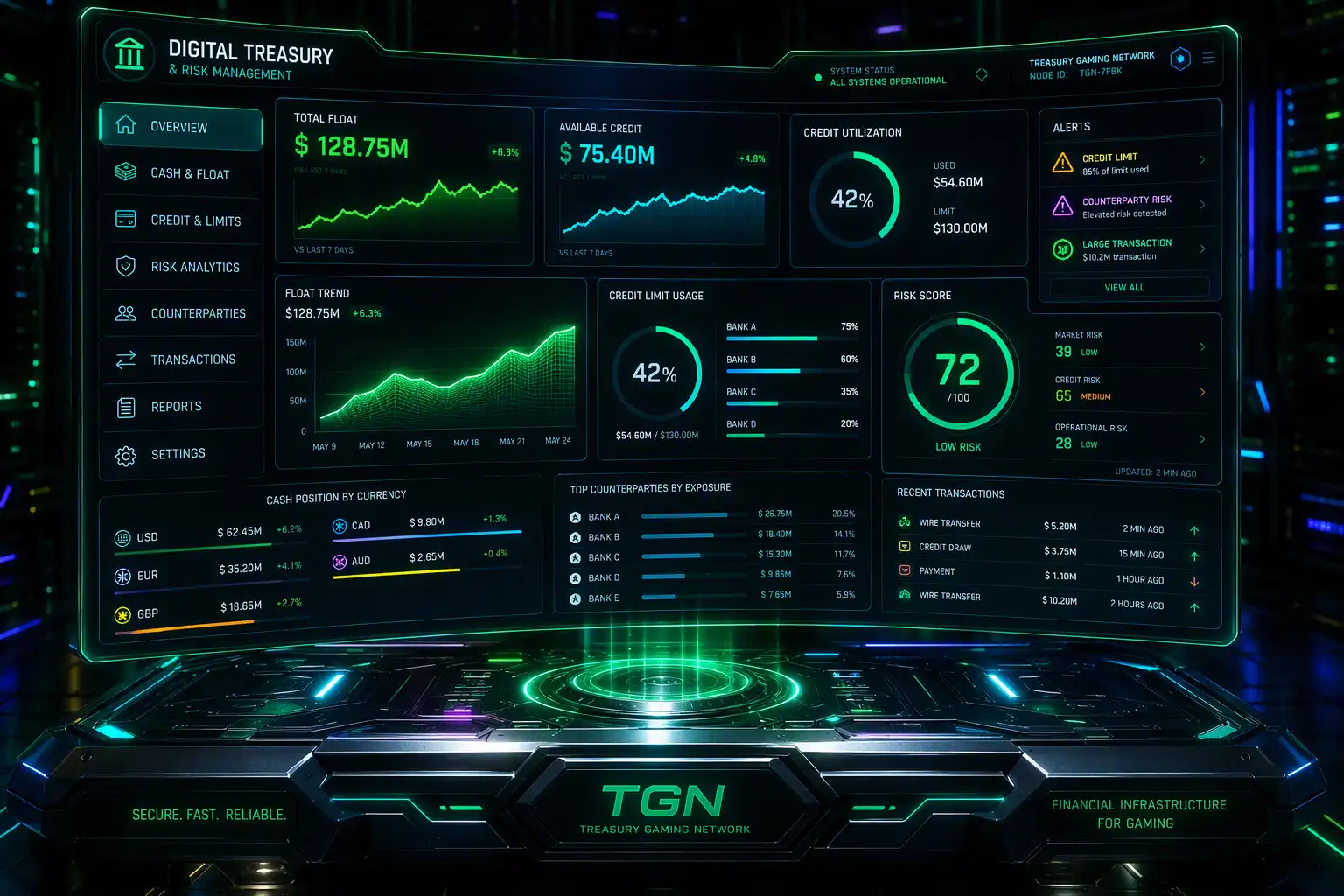
The Anatomy of Wholesale Float: Why Distributors Go Broke Scaling
In wholesale sweepstakes distribution, master distributors purchase software credits in bulk at wholesale discount tiers (e.g., 30%–45% off face value) and supply these credits downstream to retail room operators and sub-agents at intermediate margins. To facilitate rapid player loading, distributors frequently extend ‘credit float’—advancing digital points on credit and expecting weekly cash settlements based on net player losses.
The systemic flaw occurs when sub-agents treat advanced float as operating capital. If a sub-agent spends player cash on personal expenses, new store buildouts, or speculative ventures, they find themselves unable to settle their wholesale balance on reconciliation day. When the master distributor extends further credit in hopes of ‘playing out of the hole’, debt compounds exponentially until the sub-agent vanishes, leaving the master distributor holding tens of thousands of dollars in uncollectible debt.
Tiered Credit Underwriting: The 4-Tier Risk Assessment Matrix
Never extend unsecured credit to unverified accounts. Implement a structured credit tiering system that ties credit float limits strictly to verified operational tenure and financial collateral.
| Agent Tier | Tenure & History | Collateral Requirement | Maximum Credit Float Limit |
|---|---|---|---|
| Tier 1: Probationary | 0 to 60 Days (New Account) | 100% Cash Pre-payment (Zero Credit) | $0 Unsecured Float |
| Tier 2: Established | 60 to 180 Days (Flawless settlements) | 50% Security Deposit held in escrow | Up to $5,000 (Covered by deposit + weekly cap) |
| Tier 3: Premier Route | 6+ Months (Multi-store operator) | Signed Personal Guarantee + Hardware Lien | Up to $15,000 with 72-hour settlement cycle |
| Tier 4: Enterprise Partner | 12+ Months (Regional master agent) | Corporate Promissory Note & Bank Guarantee | Custom ceiling with automated daily clearing |
Automated Software Circuit Breakers and Hard Cutoffs
Human emotion must be removed from credit enforcement. When a distributor allows personal friendships or promises to delay settlement enforcement, defaults are virtually guaranteed. Modern distributor management portals allow you to configure automated programmatic circuit breakers:
- Float Balance Hard Caps: If a sub-agent’s outstanding float reaches their approved ceiling (e.g., $5,000), the software automatically disables their credit generation API. They cannot load further player points until an incoming cash wire or crypto payment reduces their balance.
- Settlement Window Timeouts: Configure an automated lock at 12:01 PM every Monday. If Sunday night settlement funds have not cleared by the deadline, sub-agent admin portals enter read-only mode immediately.
- Sub-Account Point Clawbacks: In extreme delinquency scenarios, ensure your master administrative dashboard retains root administrative privileges to reclaim unspent digital inventory directly from subordinate agent wallets.
Weekly Settlement Disciplines: The Monday Clearing SOP
Establish an ironclad weekly clearing cycle across your entire distribution tree. The standard industry clearing period runs from Monday 00:00:00 to Sunday 23:59:59. On Monday morning at 08:00 AM, automated accounting reports compile net coin-in, player cashouts, gross margin, and distributor wholesale receivables across all routes.
Require settlement via verified payment channels (Fedwire, Same-Day ACH, or stablecoin crypto settlement). Avoid accepting personal checks or delayed cash pick-ups that extend settlement float past Tuesday afternoon. If a sub-agent fails to settle by Tuesday at 5:00 PM, their entire route is frozen until funds clear.
Legal Documentation and Commercial Security Agreements
Never advance commercial credit on a verbal agreement. Every sub-agent must execute a comprehensive Wholesale Software Distribution & Security Agreement. Essential clauses include a personal guarantee of performance, an explicit grant of a security interest in on-premise hardware cabinets under Uniform Commercial Code (UCC) financing statements, and liquidated damages provisions covering legal recovery costs.
Route Reclamation and Default Mitigation SOP
When a sub-agent experiences severe financial distress, swift intervention is critical. If default is inevitable, transition immediately from creditor negotiation to route reclamation. Contact the underlying retail store locations directly, explain that their software distributor has ceased operations, and onboard the physical store as a direct retail client. By securing the physical venue relationships, you protect your recurring revenue stream and recover outstanding balances from ongoing future store profits.
Frequently Asked Questions
Why should new sweepstakes agents start on 100% pre-payment?
Pre-payment establishes financial discipline and eliminates credit default risk while you evaluate the new agent’s honesty, operational competence, and cash flow consistency.
What is a personal guarantee and why is it essential?
A personal guarantee makes the individual business owner personally liable for corporate debts, allowing you to pursue their personal assets if their LLC or retail business defaults on credit float.
How do automated software circuit breakers protect distributors?
Circuit breakers automatically freeze point creation once an agent hits their credit ceiling, preventing debt from compounding uncontrollably during busy weekend periods.
What should I do if a sub-agent is 24 hours late on weekly settlement?
Immediately pause their point-loading permissions in your master backend. Communicate clearly that software access resumes the moment settlement wire confirmation is received.
Related Resources for Sweepstakes Distributors and Store Owners
To further accelerate your operational performance and expand your agent distribution network, explore our comprehensive business frameworks and technical playbooks:
- MegaSpin Agent & Distributor Portal — Discover enterprise-grade software distribution, competitive commission structures, and multi-tier sub-agent management tools.
- Retail Sweepstakes Launch & Compliance Blueprint — Learn how top store owners optimize hardware selection, player onboarding, and regulatory compliance.